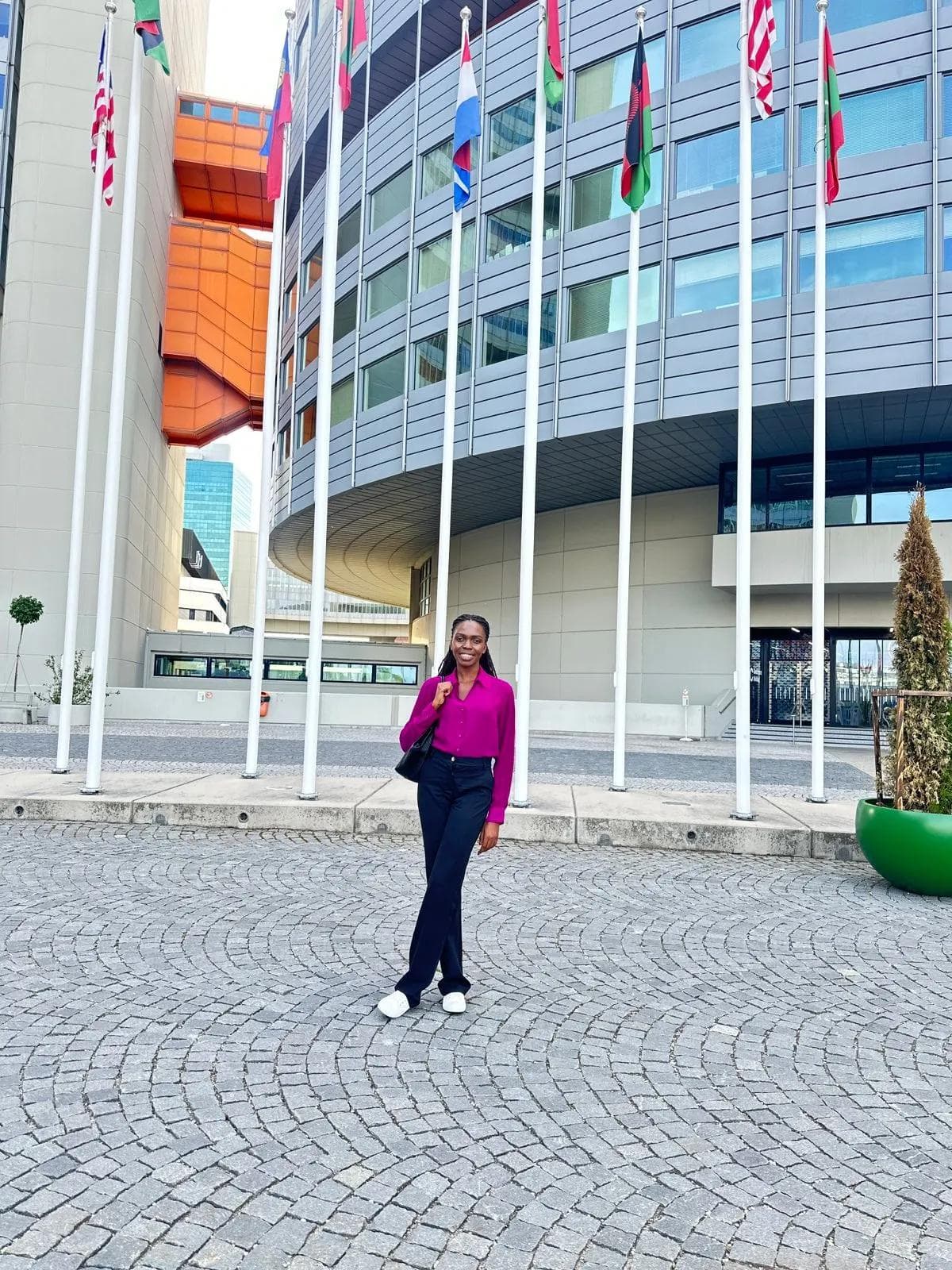
Day 2 in Vienna was one of those days that forces you to rethink how cities, governance and media can shape the everyday lives of citizens.
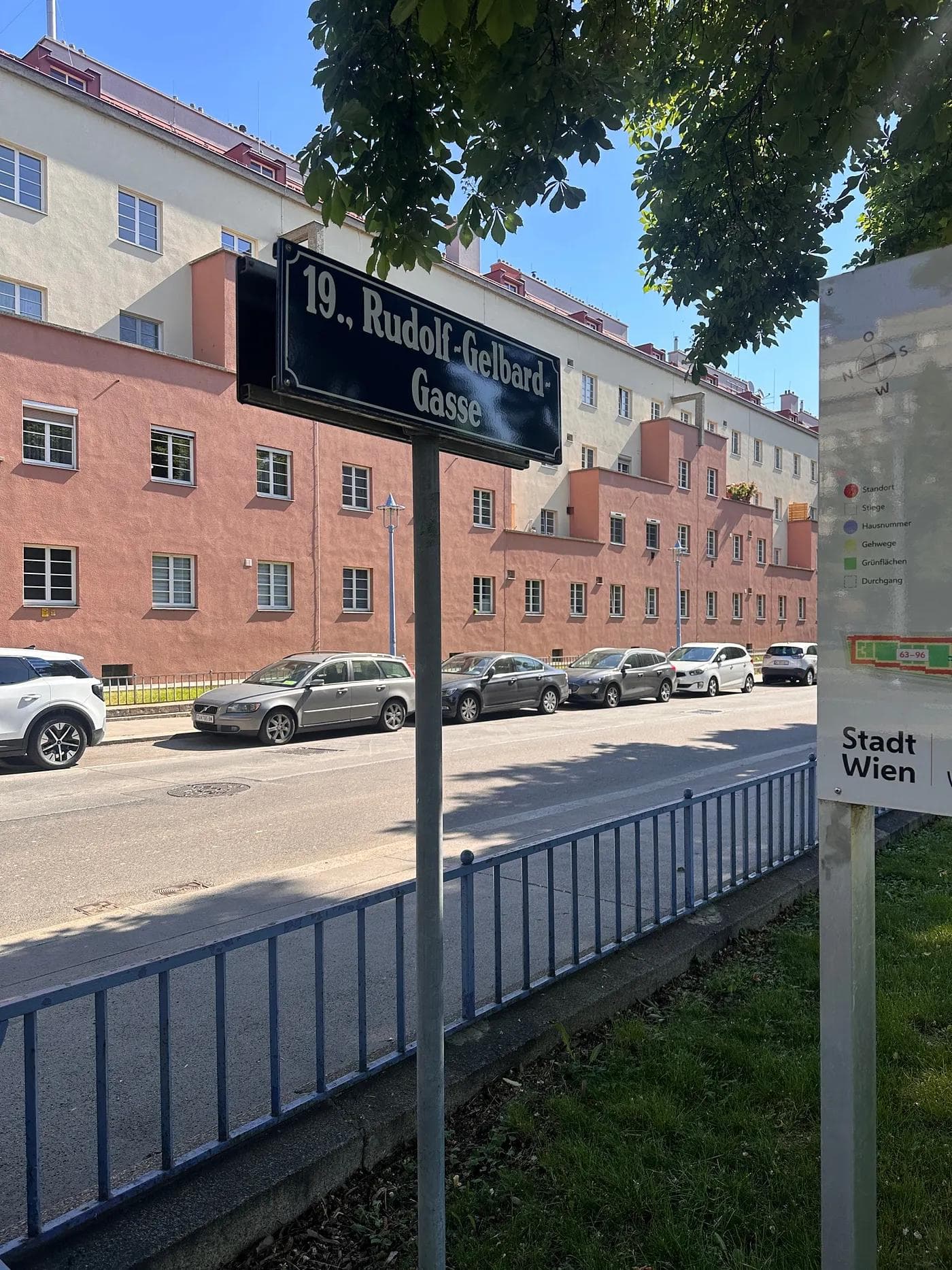
We began with a visit to the iconic Karl-Marx-Hof social housing project, one of the most famous public housing developments in the world. Built between 1927 and 1930 during the “Red Vienna” era, the housing complex was designed to provide dignified, affordable living for working-class families after World War I. Stretching over one kilometre long, it remains one of the longest residential buildings globally and was intentionally built with open courtyards, green spaces, laundries, clinics, kindergartens and community facilities.

What stood out most was the philosophy behind it: housing was treated not just as shelter, but as a social right tied to dignity, health and community. Vienna’s model focused heavily on long-term affordability, mixed communities and quality urban planning — something that still defines the city today. Even nearly a century later, the buildings remain well maintained and highly livable.
As a Kenyan, it was impossible not to draw parallels with Kenya’s Affordable Housing Programme under the Bottom-Up Economic Transformation Agenda (BETA). While the contexts are different, there are similarities in the thinking: creating affordable homes for ordinary citizens, reducing informal settlements and integrating social amenities into housing developments. But Vienna’s model also offers lessons Kenya could borrow from more intentionally — especially on sustainability, public transport integration, green communal spaces, long-term maintenance, and ensuring affordable housing does not become socially isolated or poorly planned.
One interesting takeaway was how Vienna treats social housing as part of the city fabric rather than “housing for the poor.” Their developments are integrated into the city, close to transport and economic activity, which helps avoid stigmatization and segregation. It raises an important question for us back home: how do we ensure affordable housing in Kenya creates thriving communities and not just apartment blocks?
We later held discussions with Members of the Austrian Parliament, where conversations around democracy, media and disinformation took center stage. One particularly interesting insight was how far-right political movements in Austria have heavily invested in their own media ecosystems. The leaders spoke candidly about the challenge of disinformation, especially surrounding the Russia-Ukraine war, and how misinformation continues to shape political discourse across Europe.
Another highlight was meeting Sepp Schellhorn, State Secretary at Austria’s Federal Ministry for European and International Affairs. Our discussion around tourism opened up an entirely new perspective on Vienna as a city. Austria has invested heavily in city tourism, preserving architecture, maintaining public spaces and protecting historical identity because the city itself is part of the tourism product. Suddenly, Vienna’s clean streets, preserved buildings and intentional urban planning made even more sense. Their infrastructure is not only about functionality, but also economic value and cultural preservation.
We wrapped up the day at the Wiener Zeitung Media Innovation Lab, where we learnt about the evolution of Wiener Zeitung, founded in 1703 and considered one of the world’s oldest newspapers. The publication has since transitioned into a fully digital operation a move that, while necessary in today’s media landscape, also came with challenges.
One particularly honest conversation was around audience retention. The transition to digital saw the paper lose part of its traditional readership, forcing the institution to rethink how it communicates and who it speaks to. Today, much of their focus is on attracting younger audiences by creating content that resonates with them more engaging storytelling, innovative formats and content tailored for digital consumption habits. It was a reminder that journalism today is no longer just about reporting the news, but also understanding changing audiences and evolving with them without losing credibility.
For someone working in media, it was fascinating to see a centuries-old institution navigating innovation while still trying to preserve journalistic integrity in an era dominated by algorithms, speed and misinformation.
Day 2 in Vienna was ultimately about more than policy visits. It was about seeing what happens when cities intentionally invest in people, through housing, public systems, tourism, media and governance and asking ourselves what lessons could translate back home in Kenya.

Miriam Angil
Director
Founder and Director, Sajen Productions